

Triple Whale has made a huge splash in the eCommerce analytics ocean. With its sleek dashboard, zero-party data collection through its pixel, and focus on contribution profit, it’s become a go-to for many direct-to-consumer (DTC) brands looking for clarity on their marketing performance. But if you’ve been searching for reliable Triple Whale alternatives, you’re not alone. No single tool is the perfect fit for every ship.
Maybe you’re finding Triple Whale’s pricing a little steep. Maybe its features don’t align perfectly with your brand’s needs. Or maybe you’re simply curious about what other fish are in the sea. The truth is, the marketing attribution world runs deep — with a range of tools that offer powerful features, flexible pricing, and unique insights tailored to different business models.
In this guide, we’ll take a closer look at the top Triple Whale competitors worth your attention: Hyros, RedTrack, Voluum, Northbeam, ClickMagick, Cometly, BeMob, and ThoughtMetric. We’ll break down their key features, pros and cons, ideal use cases, and pricing — so you can find the platform that fits your business like a glove (or in this case, like the right anchor for your ship).
What Makes a Good Triple Whale Alternative?
Before you jump ship from Triple Whale, it’s worth knowing what to look for in a replacement. Not every tracking tool is built the same — some focus on hardcore attribution accuracy, while others make reporting dead simple for small teams. The best Triple Whale alternatives strike a balance between precision, usability, and affordability.
Here’s what really matters when choosing one:
1. Multi-channel attribution
You need a tool that connects data across all your ad channels — Facebook, Google, TikTok, email, and even organic. Seeing the full customer journey helps you understand what’s actually driving revenue.
2. Real-time tracking and reporting
Waiting hours (or days) for updated data is a nightmare. Look for platforms that deliver real-time insights so you can adjust campaigns on the fly.
3. Shopify and eCommerce integrations
If you’re running a store, seamless integration with Shopify or WooCommerce is a must. It keeps your revenue data accurate and your reports synced without manual work.
4. Smart attribution models
The best tools go beyond last-click attribution. They help you see how each touchpoint contributes to a sale — whether it’s first-click, multi-touch, or data-driven models.
5. Ease of use and dashboard clarity
Let’s be honest — if you need a PhD to understand the dashboard, it’s not worth it. A clean interface saves time, reduces stress, and helps you act faster on insights.
6. Transparent pricing
You shouldn’t have to book three calls just to know the cost. Look for tools that are upfront about pricing and scale fairly with your ad spend.
When you find a platform that checks most of these boxes, you’re set up for clearer data, smarter ad decisions, and way fewer headaches.
Hyros: The AI-Powered Attribution Titan

If precision had a name in the tracking world, it would be Hyros. This platform sits at the top tier of Triple Whale alternatives, built for marketers who need bulletproof data to scale confidently. It’s a favorite among high-ticket eCommerce brands, info-product sellers, coaches, and digital businesses that rely on clean, reliable attribution.
Hyros positions itself as a high-precision ad tracking and attribution platform that goes far beyond standard browser pixels. Instead of relying on cookies (which can easily be blocked or lost), it uses a sophisticated fingerprinting and AI-driven system to track users across devices, browsers, and even long sales cycles. The result? You finally see the real customer journey — and which ads actually make you money.
Key Features
- AI-Powered Ad Tracking: Hyros combines data from ad platforms, CRMs, and payment processors, using a proprietary AI algorithm to clean and verify every sale. This leads to laser-accurate click-to-sale attribution.
- Long-Term Value (LTV) Tracking: Perfect for subscription or high-ticket models, Hyros lets you measure the true lifetime value of customers and how each ad contributes to it.
- Deep Integrations: Works seamlessly with Facebook, Google, TikTok, Klaviyo, Stripe, PayPal, and Shopify — allowing Hyros to stitch together an end-to-end picture of every customer touchpoint.
- Call & Sales Team Tracking: One of its biggest differentiators — it can track conversions from phone calls and sales reps, then attribute them back to the original ad click. Huge for businesses with human-driven sales.
- Customizable Reporting: Offers detailed reports and dashboards to pinpoint which ads are driving not just clicks — but long-term customers and real revenue.
Pros
✅ Superior Accuracy: Combines IP, email, phone, and fingerprint data to outperform cookie-based trackers.
✅ Excellent for Long Sales Cycles: Ideal for businesses where customers convert over weeks or months.
✅ Tracks More Than Clicks: Connects offline actions (like phone calls) back to digital ads.
✅ LTV Insights: Helps you understand long-term campaign profitability, not just quick wins.
Cons
❌ High Price Point: It’s a premium product — not ideal for small startups.
❌ Steep Learning Curve: Requires some setup time and familiarity with data-heavy dashboards.
❌ Complex Implementation: Full integration takes effort, but once done, it’s rock-solid.
Best For
Hyros shines for high-ticket eCommerce brands, info-product businesses, coaches, and any company with long sales cycles or offline conversions. If you’re spending $20K+ monthly on ads and still guessing which campaigns drive profit, Hyros can be a game-changer.
Pricing
Hyros doesn’t list its pricing publicly. It operates on a custom quote basis, tailored to your business’s revenue and ad spend. You can expect prices to start in the several hundreds of dollars per month and go up significantly from there. They typically require a demo and a consultation to provide a quote.
RedTrack: The Data-Driven Multi-Channel Tracker

If you’re looking for a Triple Whale alternative that blends power with accessibility, RedTrack deserves your attention. It’s a versatile ad tracking and attribution platform that’s earned a loyal following among performance marketers, DTC brands, and affiliate marketers who want one central place to manage, track, and scale all their paid traffic.
RedTrack’s biggest strength is its all-in-one approach. It doesn’t just track conversions — it connects your entire marketing funnel. Whether you’re running paid ads, influencer campaigns, or affiliate traffic, RedTrack brings every click, cost, and sale under one roof. Unlike Triple Whale, which focuses primarily on eCommerce analytics, RedTrack gives you a wider, more customizable performance view across multiple traffic sources and channels.
Key Features
- Cross-Channel Attribution: Tracks and attributes data from Facebook, Google, TikTok, YouTube, and more — all in one unified dashboard.
- Affiliate & Influencer Tracking: Manage affiliate links, payouts, and conversions effortlessly with built-in partner management tools.
- Automated Cost Updates: Automatically pulls ad spend data from connected platforms, so your ROAS and CPA numbers stay accurate without manual uploads.
- Smart Traffic Distribution: Directs clicks to your best-performing offers or pages using intelligent routing rules — perfect for testing and scaling.
- Real-Time Reporting: Instantly see what’s working (and what’s not) with live data dashboards and customizable reports.
Pros
✅ Affordable Compared to Triple Whale: Great entry point for small to mid-sized businesses.
✅ All-in-One Tracking: Covers both affiliate and paid ad tracking in one system.
✅ Powerful Automation: Saves hours on campaign management and reporting.
✅ Reliable Support: Known for responsive, helpful customer service.
Cons
❌ Interface Can Feel Dated: Functionality is solid, but the UI isn’t the sleekest.
❌ Advanced Features Have a Learning Curve: Beginners might need some onboarding to use automation effectively.
❌ Limited Native Shopify Data: While it integrates with eCommerce stores, it’s not as Shopify-centric as tools like Northbeam or Cometly.
Best For
RedTrack is ideal for affiliate marketers, media buyers, and eCommerce brands running multiple ad channels or managing influencer and affiliate campaigns. If you want a powerful Triple Whale alternative that delivers serious attribution muscle without a huge price tag, RedTrack is an excellent pick.
Pricing
RedTrack offers tiered plans starting at $149/month, with a 14-day free trial available. Higher tiers unlock additional users, tracking limits, and automation features.
Verdict
RedTrack is one of the most flexible Triple Whale competitors out there — affordable, accurate, and built to scale. While it may lack Triple Whale’s slick Shopify reporting, its broad tracking scope and automation power make it a no-brainer for performance marketers who care about results, not vanity metrics.
Voluum: The Performance Marketer’s Powerhouse
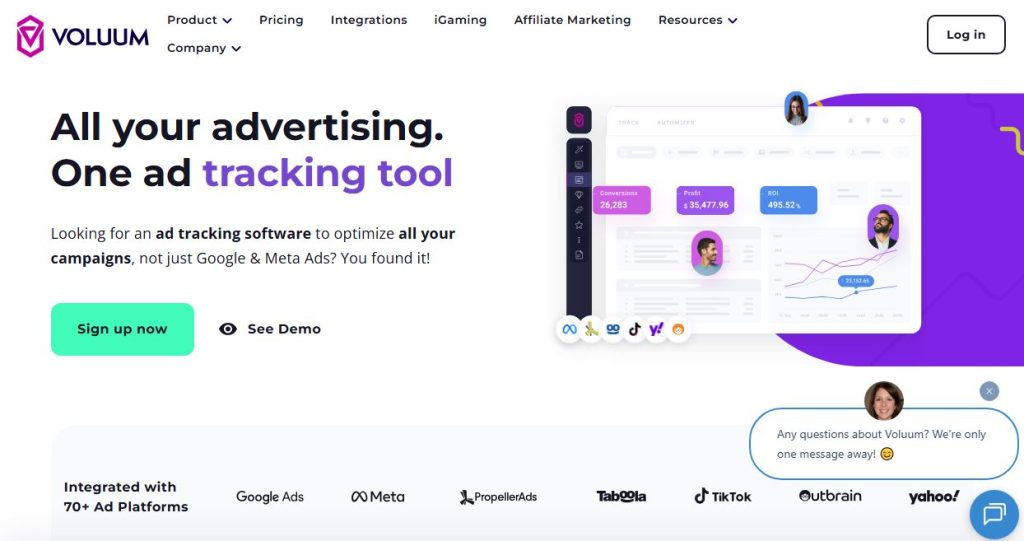
If you’re serious about tracking every click, conversion, and penny of ad spend, Voluum is one of the strongest Triple Whale alternatives on the market. Built originally for performance and affiliate marketers, Voluum has evolved into a full-scale advertising analytics and optimization platform that’s fast, powerful, and built for data-driven teams.
Voluum’s core mission is simple: give marketers real-time clarity on where their traffic is coming from, what it’s doing, and how much profit it’s generating. It’s trusted by media buyers, agencies, and affiliate pros who manage hundreds (sometimes thousands) of campaigns at once. Unlike Triple Whale — which leans heavily into Shopify integrations — Voluum is built for scale, flexibility, and advanced traffic management.
Key Features
- Real-Time Analytics: Get second-by-second tracking data so you can spot trends, optimize campaigns, and eliminate wasted ad spend instantly.
- Custom Tracking Domains: Use your own domains for cleaner tracking links and stronger branding.
- Multi-User Collaboration: Perfect for agencies or teams that need shared dashboards and roles-based access.
- AI-Powered Traffic Distribution: Automatically sends clicks to the best-performing offers using Voluum’s smart optimization engine.
- Anti-Fraud Protection: Built-in fraud detection helps you protect your ad budget from fake clicks or bots.
- Cloud-Based Infrastructure: All tracking runs in the cloud for lightning-fast reporting and zero downtime.
Pros
✅ Incredibly Fast Reporting: Real-time data refresh makes campaign management a breeze.
✅ Reliable and Scalable: Designed to handle high-volume campaigns without lag.
✅ Advanced Automation: Rules-based traffic routing and optimization save tons of manual work.
✅ Strong for Affiliates and Agencies: Collaboration tools and deep customization are unmatched.
Cons
❌ Not Built Specifically for Shopify: While you can integrate it, it’s less plug-and-play than Triple Whale for eCommerce stores.
❌ Pricing Increases with Volume: Costs can rise as your traffic grows.
❌ Learning Curve for Beginners: The interface and setup are powerful but can feel technical at first.
Best For
Voluum is best for media buyers, affiliate marketers, and performance-driven agencies that handle multiple traffic sources and need precision-level control over attribution and optimization. If Triple Whale feels too limited for your needs — and you want deeper analytics across all channels — Voluum is a serious upgrade.
Pricing
Voluum offers several pricing tiers starting at $149/month, with higher plans unlocking API access, additional data retention, and advanced automation. A 14-day free trial is available for new users.
Verdict
Voluum stands out among Triple Whale competitors as the go-to option for high-volume marketers who live in the data. It’s not the most eCommerce-focused tool, but if you want something that delivers real-time analytics, traffic automation, and rock-solid accuracy across multiple ad networks, Voluum delivers every time.
Northbeam: The Data-Driven Attribution Engine for DTC Brands
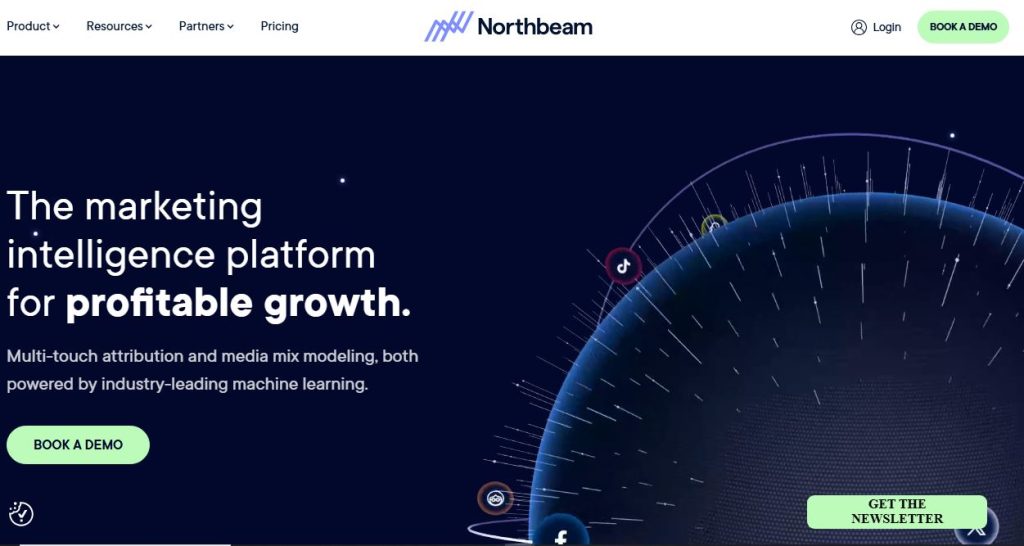
If Triple Whale ever had a true rival built from the same DNA — but with even deeper analytics — it’s Northbeam. This platform is quickly becoming the go-to attribution and analytics solution for direct-to-consumer (DTC) brands that need trustworthy data to guide every dollar of ad spend.
Northbeam is an advanced marketing attribution platform purpose-built for eCommerce. It combines first-party data, machine learning, and predictive analytics to help brands understand exactly which ads, campaigns, and channels are driving revenue — not just clicks. While Triple Whale focuses on easy-to-read dashboards, Northbeam goes further by giving you data science-level insights into customer behavior and marketing efficiency.
It’s used by fast-growing Shopify brands, 8-figure DTC stores, and agencies that want a complete, data-backed view of their marketing performance.
Key Features
- Machine Learning Attribution Models: Uses sophisticated data models to assign credit across every touchpoint — giving you true multi-touch attribution accuracy.
- Cohort-Based Insights: Analyze customer cohorts over time to see how acquisition sources impact repeat purchases and lifetime value.
- Multi-Channel Data Tracking: Tracks across Meta, Google, TikTok, YouTube, email, and SMS — stitching together every step of the buyer journey.
- Shopify-Native Integration: Built specifically for DTC, Northbeam integrates seamlessly with Shopify, ensuring accurate revenue and order data.
- Predictive Forecasting: Helps you predict future performance based on historical data, so you can plan ad budgets more confidently.
- Custom Dashboards: Tailor the data you see by role — ideal for agencies or marketing teams that report to clients or stakeholders.
Pros
✅ Exceptional Accuracy: Uses machine learning to eliminate data gaps and attribution bias.
✅ Built for eCommerce: Shopify and DTC-focused, with deep integrations and clear metrics.
✅ Powerful Forecasting: Lets you model and predict performance based on trends.
✅ Clean, Modern Interface: Easier to navigate than most advanced analytics tools.
Cons
❌ Premium Pricing: Cost is on the higher end — best suited for established or scaling brands.
❌ Can Be Overwhelming at First: The depth of data can be intimidating for smaller teams.
❌ Requires Consistent Data Input: Works best when all ad accounts and revenue sources are fully connected.
Best For
Northbeam is ideal for Shopify stores, DTC brands, and performance-driven marketing teams that want more than surface-level attribution. If you’re scaling past six figures and feel like Triple Whale’s insights don’t go deep enough, Northbeam gives you the full analytical toolkit to optimize profitably.
Pricing
Northbeam operates on a custom pricing model, typically starting around $1000/month and scaling based on revenue and ad spend. They offer a demo and onboarding process tailored to your brand’s data needs.
Verdict
Among all Triple Whale alternatives, Northbeam is arguably the most data-intensive and eCommerce-focused option. It’s not for beginners — but for brands ready to make marketing decisions based on real performance data (not platform guesses), Northbeam delivers unmatched clarity and confidence.
ClickMagick: The Simple Yet Powerful Link Tracker for Marketers
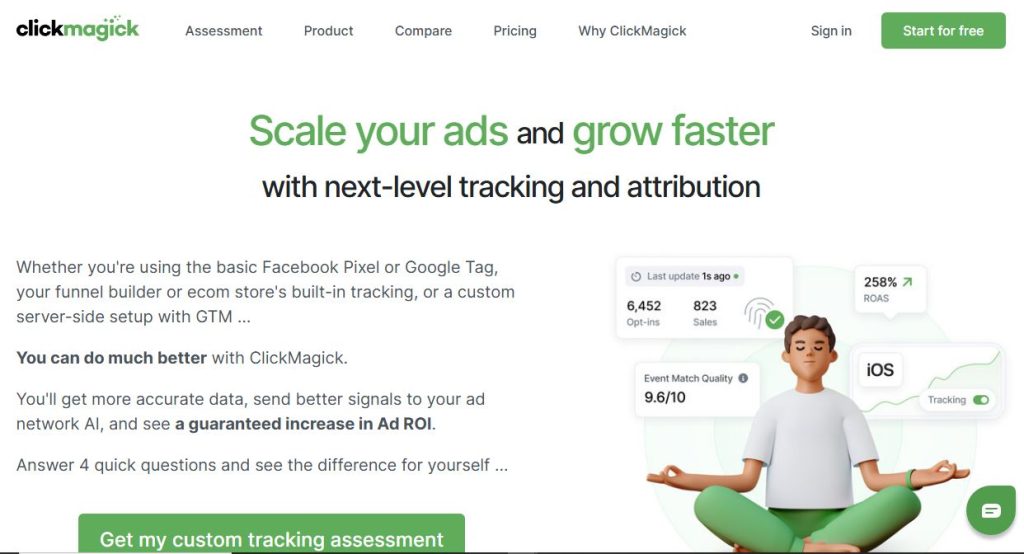
Not every business needs enterprise-level analytics or a massive setup process. Sometimes, you just need a tool that tracks links accurately, tells you which campaigns convert, and helps you make better ad decisions fast. That’s exactly where ClickMagick stands out — making it one of the most affordable and beginner-friendly Triple Whale alternatives available today.
ClickMagick is a lightweight, cloud-based link tracking and conversion optimization platform designed for solo marketers, small businesses, and online entrepreneurs. Unlike Triple Whale or Northbeam — which focus on deep attribution modeling — ClickMagick focuses on simplicity. You can easily track ad clicks, conversions, and sales performance across multiple campaigns, without needing a data science degree to interpret the numbers.
It’s especially popular with course creators, funnel builders, and online business owners who want reliable tracking without heavy monthly costs or complicated integrations.
Key Features
- Link Cloaking and Tracking: Shorten, brand, and track every campaign link with detailed analytics on clicks, conversions, and engagement.
- Conversion Tracking: Attribute conversions back to the original traffic source, helping you identify which campaigns actually bring results.
- A/B Split Testing: Easily test multiple landing pages, ads, or funnels to see which version performs best.
- Retargeting Pixels: Add Facebook or Google retargeting pixels to any link, even if you don’t control the destination page.
- Funnel Tracking: Visualize how traffic moves through your marketing funnel and where drop-offs occur.
- Bot Filtering: Detect and block fake clicks or bot traffic to protect your ad spend.
Pros
✅ Affordable and Accessible: A fraction of the cost of Triple Whale, with plans starting under $50/month.
✅ Fast Setup: No complicated integrations — you can start tracking in minutes.
✅ Beginner-Friendly Dashboard: Simple interface that’s easy to understand and navigate.
✅ Built-In A/B Testing: Perfect for marketers who love experimenting with landing pages or offers.
Cons
❌ Limited Attribution Depth: Not designed for advanced, multi-touch tracking like Hyros or Northbeam.
❌ No Deep Shopify Integration: While you can track eCommerce links, it doesn’t sync sales data natively.
❌ Basic Reporting: You get essential insights, but not the granular breakdowns offered by higher-end tools.
Best For
ClickMagick is best for solo marketers, funnel builders, small eCommerce stores, and course creators who need reliable link tracking and conversion data without the learning curve (or the price tag) of complex attribution tools. If you’re just getting started with tracking or want a low-cost Triple Whale alternative, ClickMagick is a smart choice.
Pricing
ClickMagick offers three simple plans:
- Starter: $79/month
- Standard: $169/month
- Pro: $299/month
All plans include conversion tracking, A/B testing, and bot filtering, with increasing limits as you scale. A free 14-day trial is also available.
Verdict
ClickMagick proves that effective ad tracking doesn’t have to be complicated or expensive. While it won’t replace a heavy-duty attribution system like Hyros or Northbeam, it’s one of the most practical Triple Whale competitors for smaller teams and solo entrepreneurs who want fast, actionable insights.
Cometly: The Shopify-Friendly Tracker Built for Paid Social Success
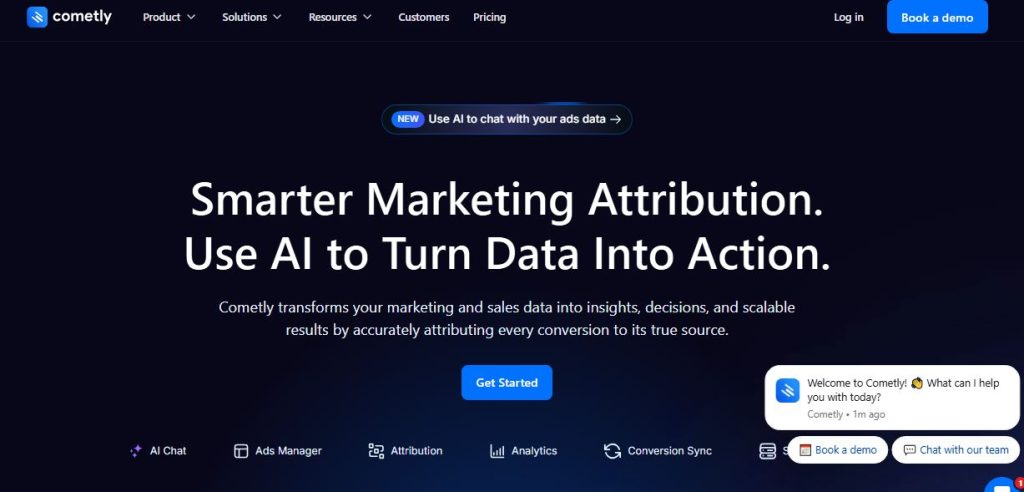
If your business lives and breathes Facebook and Instagram ads, Cometly might be the Triple Whale alternative you’ve been looking for. It’s a modern ad tracking and revenue attribution platform designed specifically for eCommerce brands that want fast, accurate insights without enterprise-level complexity.
Cometly was created out of frustration with unreliable ad data — especially after Apple’s iOS privacy updates made Facebook tracking less accurate. It bridges that gap by syncing your ad data directly with your store, letting you see exactly which campaigns, ad sets, and creatives drive real revenue.
Unlike some advanced analytics platforms, Cometly keeps things simple and visual. You don’t need to spend hours deciphering complex dashboards — it gives you clear, actionable numbers tied directly to your ad spend.
Key Features
- Facebook & Instagram Ad Attribution: Tracks and attributes sales back to specific Meta campaigns, ad sets, and creatives — even after iOS 14.
- Shopify Integration: Pulls in real-time sales and order data, automatically connecting purchases to their original ad clicks.
- Revenue-Based Reporting: Focuses on actual dollars earned, not vanity metrics like clicks or impressions.
- Real-Time ROI Dashboard: Gives you a live view of your ad performance and profit margins, helping you make quick scaling or pausing decisions.
- Team Collaboration: Add team members to manage multiple stores or ad accounts in one unified dashboard.
- Pixel Replacement: Replaces unreliable browser pixels with server-side tracking for improved accuracy.
Pros
✅ Made for Shopify & Facebook Ads: Perfectly built for DTC brands relying on Meta for growth.
✅ Fast Setup: Connect your store and ad accounts, and you’re ready to track within minutes.
✅ Clear ROI Insights: Focuses on actual revenue, not just conversions.
✅ Affordable Entry Point: Great option for small to mid-sized brands on a budget.
Cons
❌ Limited Integrations: Primarily focused on Meta ads (Facebook & Instagram).
❌ Not Ideal for Multi-Channel Tracking: Lacks deep support for Google, TikTok, or affiliate tracking.
❌ Fewer Advanced Analytics: Doesn’t offer complex attribution modeling like Hyros or Northbeam.
Best For
Cometly is best for Shopify brands, small DTC businesses, and Meta ad buyers who want a plug-and-play way to see where their money’s going. If your main focus is scaling Facebook ads profitably, this is one of the most practical and budget-friendly Triple Whale alternatives out there.
Pricing
Cometly offers transparent pricing starting at $199/month, with plans that scale based on ad spend and features. A free 14-day trial is also available to test it out before committing.
Verdict
Cometly fills a crucial gap for smaller brands that don’t need the complexity of high-end attribution tools but still crave accurate, reliable Facebook ad tracking. It’s affordable, easy to use, and purpose-built for Shopify — making it a smart Triple Whale competitor for social-first eCommerce stores.
BeMob: The Budget-Friendly Tracker for Performance and Affiliate Marketers
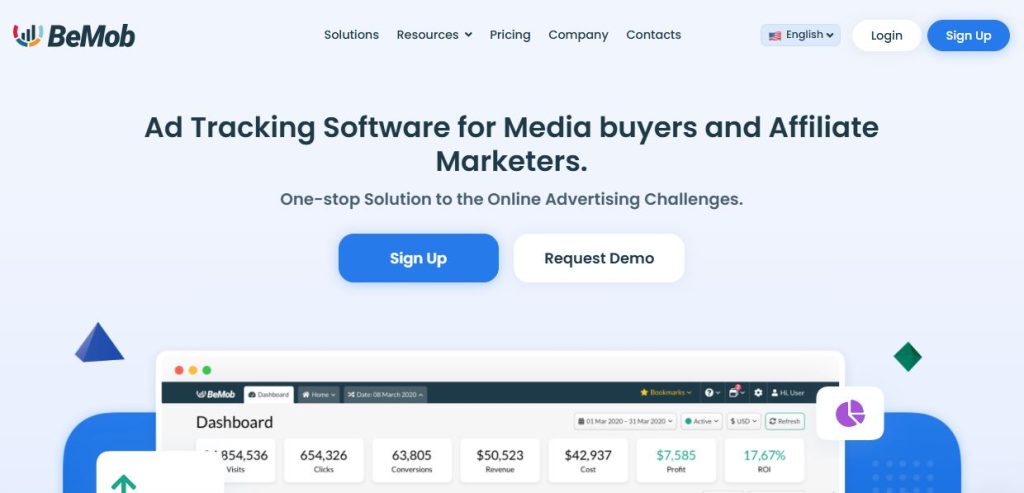
If you want robust ad tracking without paying premium prices, BeMob is one of the most underrated Triple Whale alternatives out there. It’s a lightweight, cloud-based ad tracking platform that caters mainly to affiliate marketers and performance advertisers who want fast, accurate data — minus the high monthly cost.
BeMob has built a strong reputation for providing reliable click, conversion, and revenue tracking at a fraction of the price of larger platforms like Hyros or Northbeam. While it’s not specifically designed for eCommerce or Shopify stores, it’s a favorite among media buyers, affiliates, and marketers who need to manage large volumes of traffic efficiently.
Its cloud-based setup means you don’t need to install anything or worry about data loss. You can easily track campaigns across multiple traffic sources — from Google and Facebook to native ad networks and influencers — and see exactly where your ROI is coming from.
Key Features
- Multi-Channel Ad Tracking: Track campaigns across all major ad networks (Facebook, Google, TikTok, Taboola, and more).
- Traffic Distribution AI: Automatically redirects traffic to your best-performing offers, helping you maximize conversions.
- Custom Conversion Tracking: Set up custom events (like leads, sales, or sign-ups) for more granular attribution.
- Anti-Fraud Protection: Filters out bots and fake clicks to protect your ad budget.
- Free Cloud Hosting: BeMob hosts all your tracking data securely in the cloud — no technical setup required.
- Team Collaboration: Manage campaigns, share reports, and assign access permissions for agencies or partners.
Pros
✅ Free Plan Available: One of the few ad trackers that offers a functional free tier.
✅ Fast and Reliable: Reports update quickly with minimal lag.
✅ Flexible Tracking Setup: Perfect for affiliate and media-buying campaigns.
✅ Good Customer Support: Responsive helpdesk and plenty of training resources.
Cons
❌ Not Built for Shopify or eCommerce: No direct store integrations or product-level revenue data.
❌ Interface Feels Dated: Functional but not as sleek or modern as Triple Whale or Northbeam.
❌ Limited Attribution Models: Doesn’t offer advanced multi-touch or LTV tracking.
Best For
BeMob is ideal for affiliate marketers, performance advertisers, and small agencies that need an affordable way to track and optimize campaigns across multiple channels. If you’re testing offers, buying traffic, or running multiple campaigns daily, BeMob gives you the clarity you need — without the financial commitment of more expensive Triple Whale competitors.
Pricing
BeMob’s pricing structure is refreshingly transparent:
- Free Plan: Up to 100,000 events per month
- Pro Plan: $49/month for up to 1 million events
- Business Plan: $249/month for high-volume advertisers
- Enterprise Plan: $499/month for high-volume advertisers
All paid plans include premium support, additional tracking limits, and advanced reporting options.
Verdict
BeMob proves that you don’t need to spend hundreds a month to get reliable ad tracking. While it’s not tailor-made for eCommerce, its affordability, speed, and flexibility make it one of the best Triple Whale alternatives for budget-conscious marketers who still want dependable performance insights.
ThoughtMetric: The Clear and Simple Attribution Tool for DTC Brands
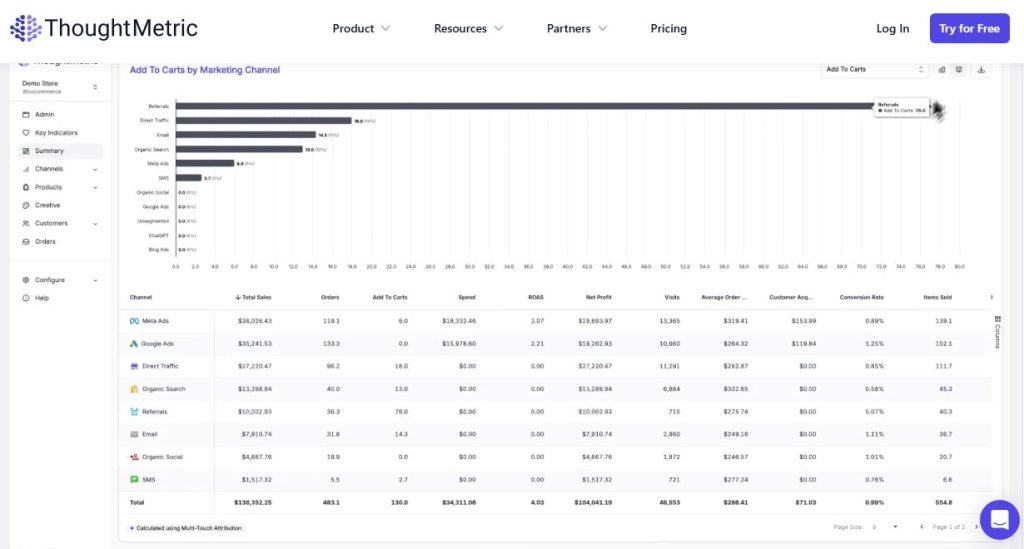
If you love what Triple Whale does but wish it were simpler, clearer, and more affordable — meet ThoughtMetric. This platform was built specifically for eCommerce and DTC brands that want straightforward attribution data without drowning in dashboards or complex setup.
ThoughtMetric positions itself as a user-friendly marketing attribution and analytics platform that helps online brands understand which ads actually drive sales. While it doesn’t have the depth of tools like Northbeam or Hyros, it shines in simplicity and transparency.
It connects directly with your Shopify or WooCommerce store to show you how each channel — whether it’s Facebook, Google, TikTok, or email — contributes to your overall revenue. The interface is clean, intuitive, and built for marketers who want fast, actionable insights rather than endless metrics.
Key Features
- Shopify & WooCommerce Integration: Installs in minutes and automatically syncs sales data with your marketing channels.
- Multi-Touch Attribution: Understands the full path to purchase and gives fair credit across all ad touchpoints.
- Creative Performance Insights: See which specific ad creatives drive the most conversions and revenue.
- Customer Journey Visualization: Clearly map out how users move from first click to purchase.
- Cohort & Retention Analysis: Track how different customer segments behave over time — ideal for optimizing LTV.
- Easy Reporting: Generate clean, easy-to-understand reports your team (or clients) will actually use.
Pros
✅ Built for DTC eCommerce: Focused on Shopify and WooCommerce brands.
✅ Simple Setup: No complicated integrations or tech-heavy onboarding.
✅ Transparent Pricing: Clear, affordable plans without hidden fees.
✅ Clean, Visual Dashboard: Data visualization makes insights quick to grasp and act on.
Cons
❌ Limited Integrations: Works best with eCommerce platforms — not ideal for affiliates or B2B.
❌ Fewer Advanced Features: Lacks predictive modeling and AI-driven attribution.
❌ Basic Automation: Reporting and data syncs are straightforward, not deeply customizable.
Best For
ThoughtMetric is best for small to mid-sized Shopify or WooCommerce stores that want clear, accurate attribution without spending a fortune. If you’re overwhelmed by the complexity of Triple Whale or Northbeam, ThoughtMetric is a refreshing, easy-to-use alternative that gives you all the essentials — and nothing you don’t need.
Pricing
ThoughtMetric offers transparent, budget-friendly plans starting at $99/month, with tiers based on revenue and tracking volume. A free trial is also available to test the platform before you commit.
Verdict
Among the growing field of Triple Whale alternatives, ThoughtMetric stands out for its simplicity and clarity. It’s not built for data scientists — it’s built for everyday marketers and eCommerce founders who just want to see which ads are driving sales. If you value ease of use, clean reporting, and honest pricing, ThoughtMetric delivers exactly that.
Also Read: 7 Best Hyros Alternatives for Accurate Ad Tracking & Attribution
Quick Comparison Table – Triple Whale vs Competitors
Here’s a side-by-side table comparing Triple Whale with the top tools we’ve covered. This quick breakdown gives you a feel for which platform best fits your business size, budget, and tracking needs.
| Tool | Best For | Key Strengths | Starting Price | Multi-Channel Support |
|---|---|---|---|---|
| Triple Whale | Shopify eCommerce brands | Gorgeous dashboard, multi-touch attribution, LTV tracking | ~$149/month | ⚠️ Limited (mostly Meta, Google) |
| Hyros | High-ticket eCommerce, info products, long sales cycles | AI-powered tracking, offline attribution, call tracking | Custom pricing | ✅ Yes |
| RedTrack | Affiliate & performance marketers | Cross-channel tracking, automation, partner management | $149/month | ✅ Yes |
| Voluum | Agencies & large ad teams | Powerful automation, rule-based optimization, fast reporting | $149/month | ✅ Yes |
| Northbeam | Data-driven DTC brands | Deep analytics, LTV & MMM modeling, pixel-free attribution | ~$1000/month | ✅ Yes |
| ClickMagick | Solo marketers & small eCom stores | Easy to use, link tracking, A/B testing | $79/month | ⚠️ Limited |
| Cometly | Shopify + Meta advertisers | Easy setup, clear ROI tracking, real-time insights | $199/month | ⚠️ Limited |
| BeMob | Affiliate marketers & small agencies | Free plan, anti-fraud tools, solid performance tracking | Free–$49/month | ✅ Yes |
| ThoughtMetric | Small Shopify & WooCommerce stores | Clean dashboard, multi-touch attribution, simple setup | $99/month | ⚠️ Limited |
How to Choose the Right Alternative for You
Choosing the right Triple Whale alternative isn’t about finding the “best” tool — it’s about finding the right one for your business goals, budget, and how deep you want to go with your data.
Here’s a quick breakdown to help you find your match:
- Hyros – Best for high-ticket eCommerce brands, coaches, and info-product sellers with complex funnels and large ad spends. Its AI-driven tracking and offline attribution deliver unmatched accuracy.
- Northbeam – Perfect for scaling DTC brands ready for enterprise-level data modeling and creative analytics. It’s sophisticated, powerful, and built for teams that love data.
- RedTrack – Ideal for brands running a diverse marketing mix with affiliates and influencers. It offers powerful automation, smart cost tracking, and flexible pricing.
- Voluum – Suited for professional media buyers and agencies managing massive traffic volumes. It’s fast, precise, and designed for those who need total control.
- ClickMagick – Great for affiliate marketers or small businesses on a tight budget. Simple click tracking, reliable A/B testing, and no steep learning curve.
- Cometly – A top choice for DTC brands or agencies that want an easy, accurate, and affordable tracking platform — especially for Shopify and Meta ads.
- BeMob – Perfect for performance marketers and small agencies who want reliable tracking and automation at a fraction of the cost. Excellent entry-level option with a generous free plan.
- ThoughtMetric – Ideal for startups and small eCommerce stores needing clear, transparent attribution and insights without heavy data setups or high costs.
Still Unsure Which One to Choose?
If you’re torn between all these Triple Whale alternatives, start by asking yourself one simple question: Do I just want data, or do I want clarity?
Most tools will show you numbers. But if you want a true understanding of where your sales come from — even across long funnels, phone calls, and multiple ad channels — Hyros stands out from the pack. Its AI-powered attribution, call tracking, and long-term customer insights go far beyond standard pixel tracking.
So before you jump in with another analytics platform, try Hyros first. It’s built for marketers who are serious about scaling — and tired of guessing.
👉 Book a Hyros demo today to see how accurate attribution can finally make your ad spend work smarter.